July 7, 2026
Sapphire Cut Guide
Explore the various cuts of sapphires and their impact on appearance, including color windowing and blue axis orientation, to enhance your understanding of these exquisite gemstones.
Sapphires, with their deep hues and rich history, offer a captivating range of cuts that can dramatically influence their appearance and allure. Understanding these cuts is essential for appreciating the unique characteristics of each sapphire and selecting the ideal stone for your collection or engagement ring.
Understanding Sapphire Cuts
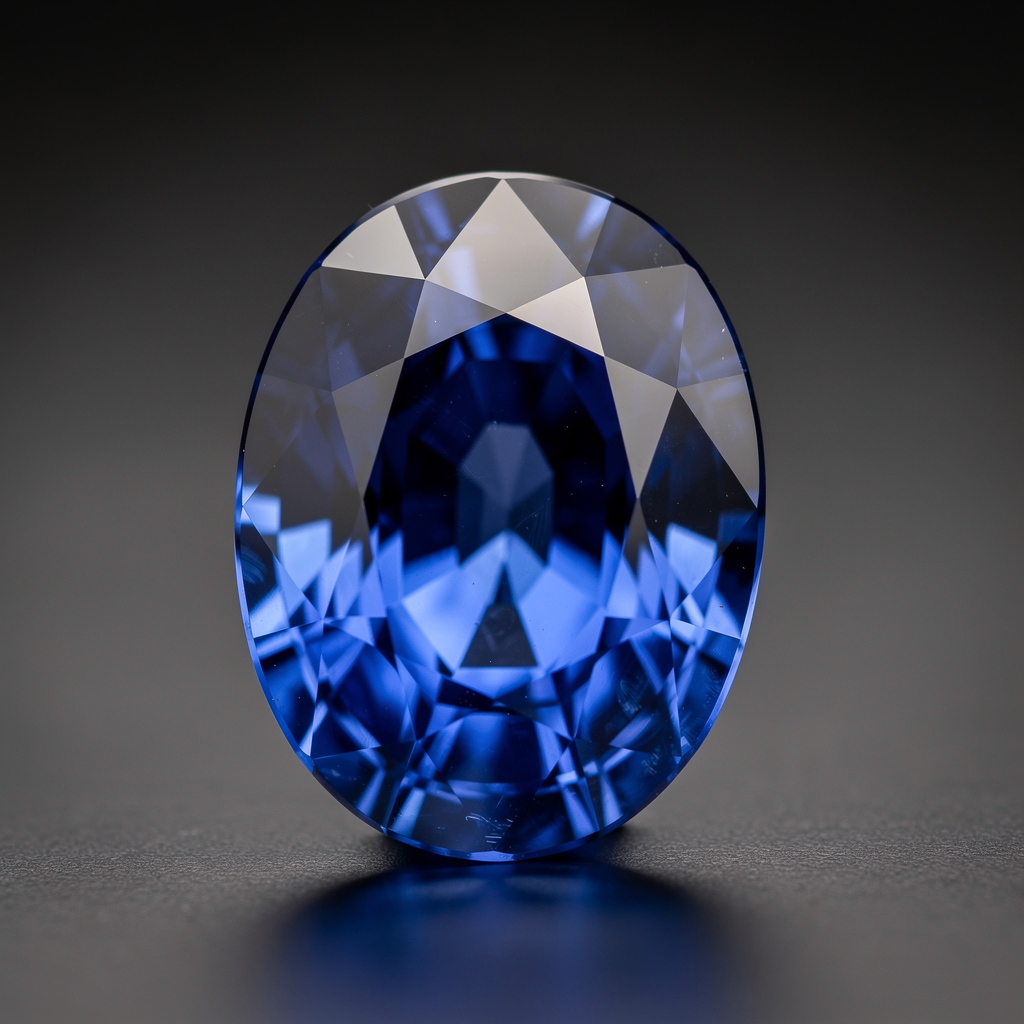
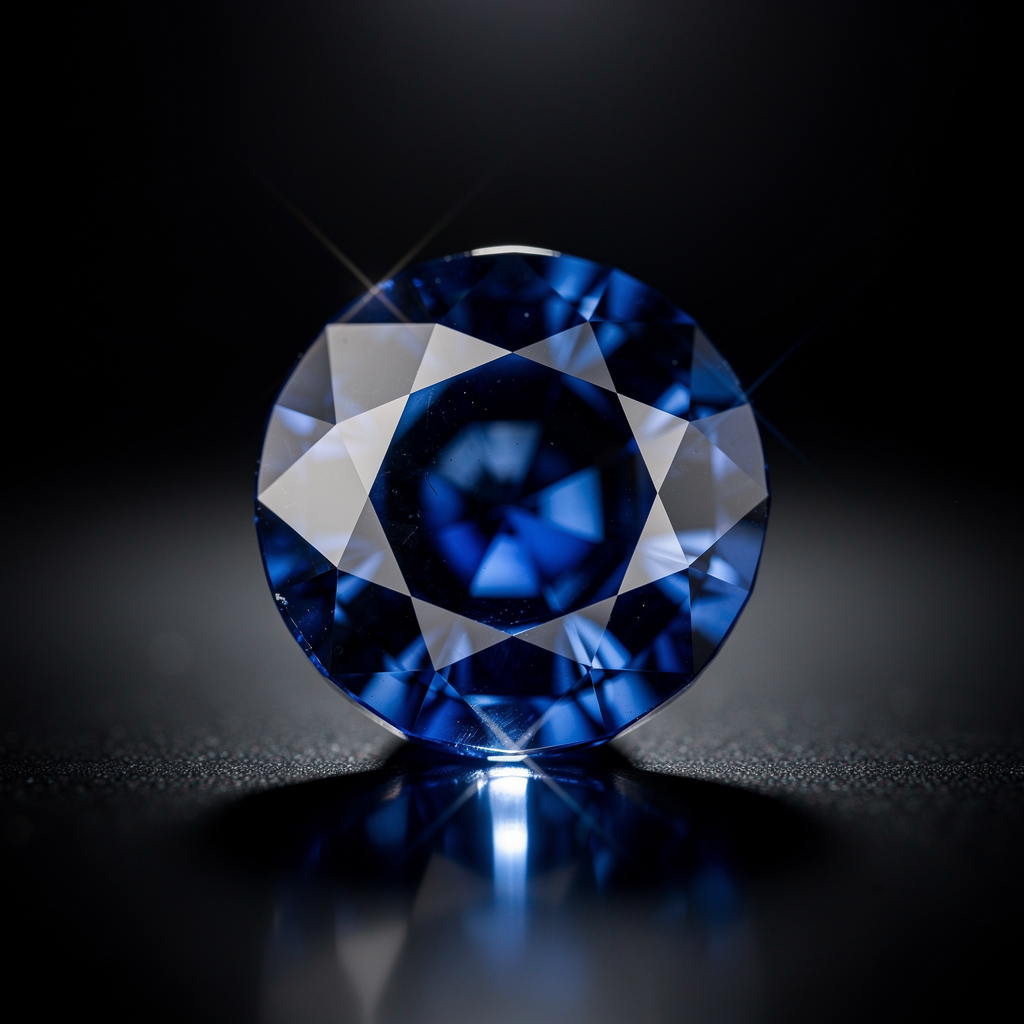
The cut of a sapphire determines how light interacts with the gemstone. Each cut style accentuates different facets of the stone, influencing its brilliance and colour. Common cuts include oval, round, princess, cushion, and emerald, each offering distinct visual effects.
Oval and Round Cuts
Oval and round cuts are popular for their ability to reflect light beautifully. The round cut, in particular, is renowned for its brilliance, making it a preferred choice for engagement rings. The oval cut, while similar, can create an illusion of greater size without sacrificing sparkle.
Princess and Cushion Cuts
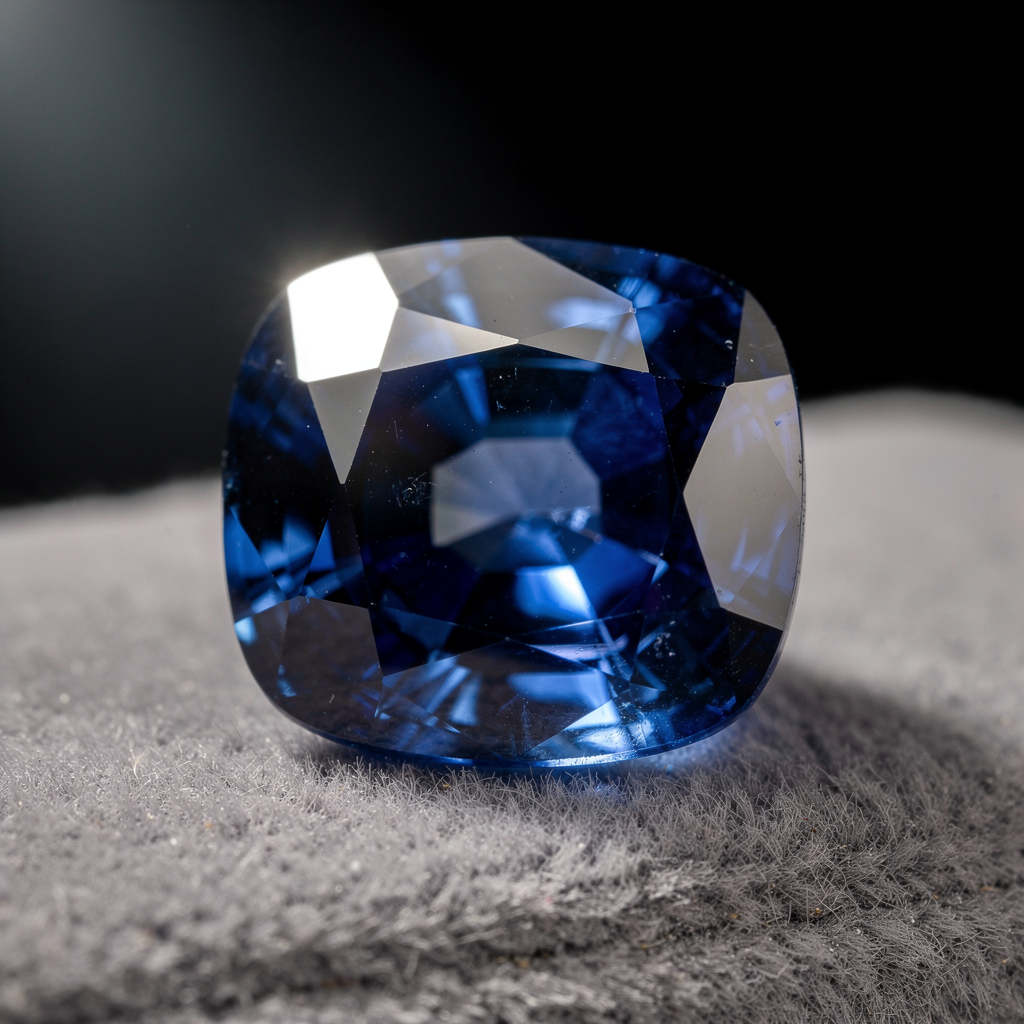
The princess cut has sharp corners and a modern aesthetic, appealing to those who favour contemporary designs. In contrast, the cushion cut, with its rounded corners and larger facets, provides a romantic vintage feel, often enhancing the stone's depth of colour.
Emerald Cut
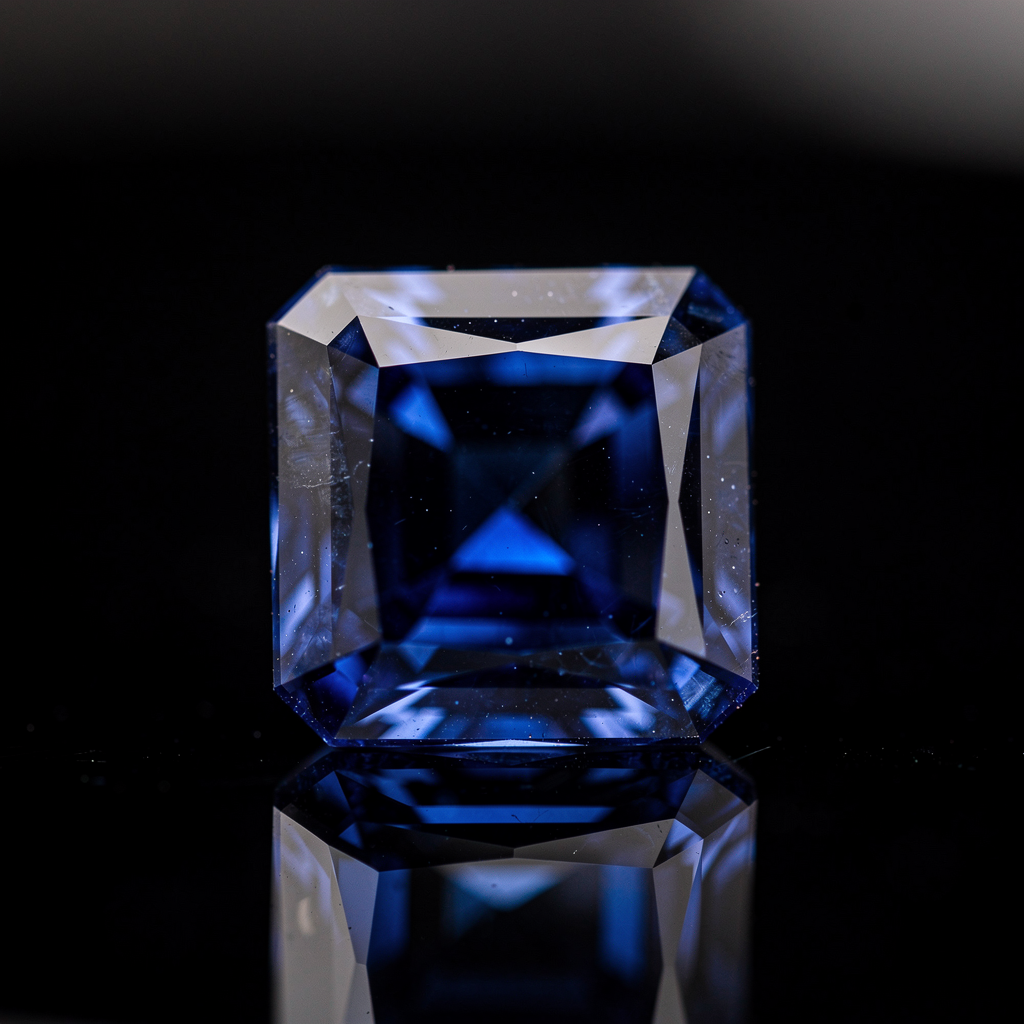
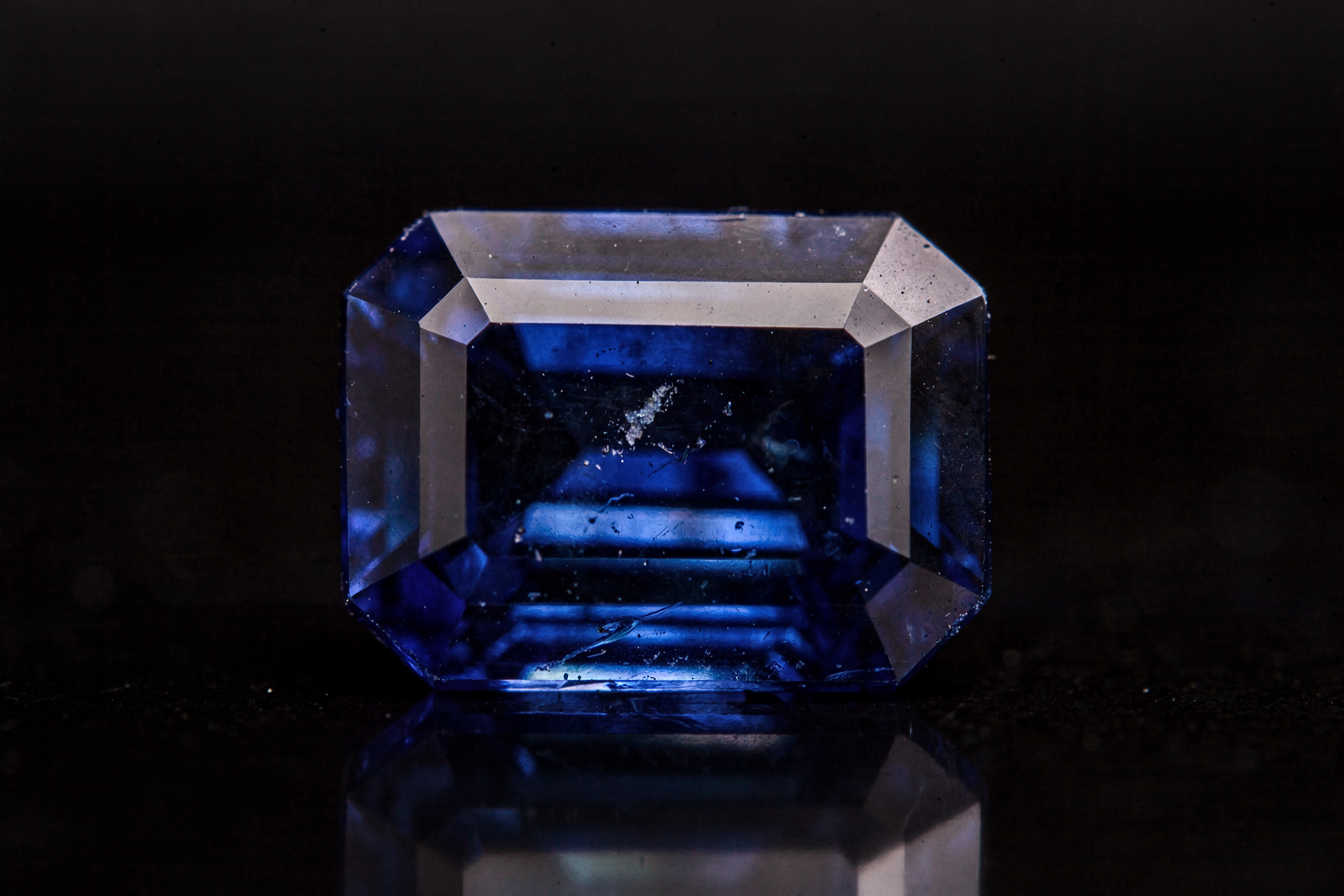
The emerald cut is unique, featuring a rectangular shape with step-cut facets. This cut highlights the stone's clarity and colour, making it a striking choice for deeper blue sapphires.
The Importance of Colour Windowing
Colour windowing refers to the phenomenon where the colour of a sapphire is perceived differently from various angles. This effect can be particularly pronounced in certain cuts. Ideally, a sapphire should exhibit a consistent colour throughout, with no areas appearing overly light or dark. A well-cut sapphire will have a balanced colour distribution, allowing its beauty to shine from every angle.
Blue Axis Orientation
Another critical aspect is the blue axis orientation. Sapphires are pleochroic, meaning they can display different colours when viewed from different angles. The best quality sapphires will show a rich blue hue from the top view while maintaining depth and liveliness. Ensuring that the blue axis is appropriately oriented during the cutting process is paramount for optimum colour display.
Inky vs. Lively Sapphires
Sapphires can often be classified into two categories: inky and lively.
- Inky Sapphires: These stones may exhibit a darker, often opaque appearance, resulting in reduced brilliance. While they can possess a unique charm, their depth of colour can sometimes obscure the stone's natural sparkle.
- Lively Sapphires: In contrast, lively sapphires radiate light and energy. They possess a vibrant colour and clarity, making them highly sought after.
Conclusion
Understanding the various cuts of sapphires, along with the implications of colour windowing and blue axis orientation, empowers you to make informed choices. Whether you seek a sapphire for an engagement ring or a statement piece, appreciating these nuances ensures that the selected stone resonates with your personal aesthetic and vision.