June 15, 2026
Anatomy of a Ring Explained
Delve into the detailed anatomy of a ring, exploring its components and their specific names, which enhance your understanding and appreciation of fine jewelry design.
A ring embodies a union of various elements, each contributing to its beauty and function. Understanding the specific anatomy of a ring not only enhances your appreciation but also equips you with the vocabulary to discuss and select fine jewelry with confidence.
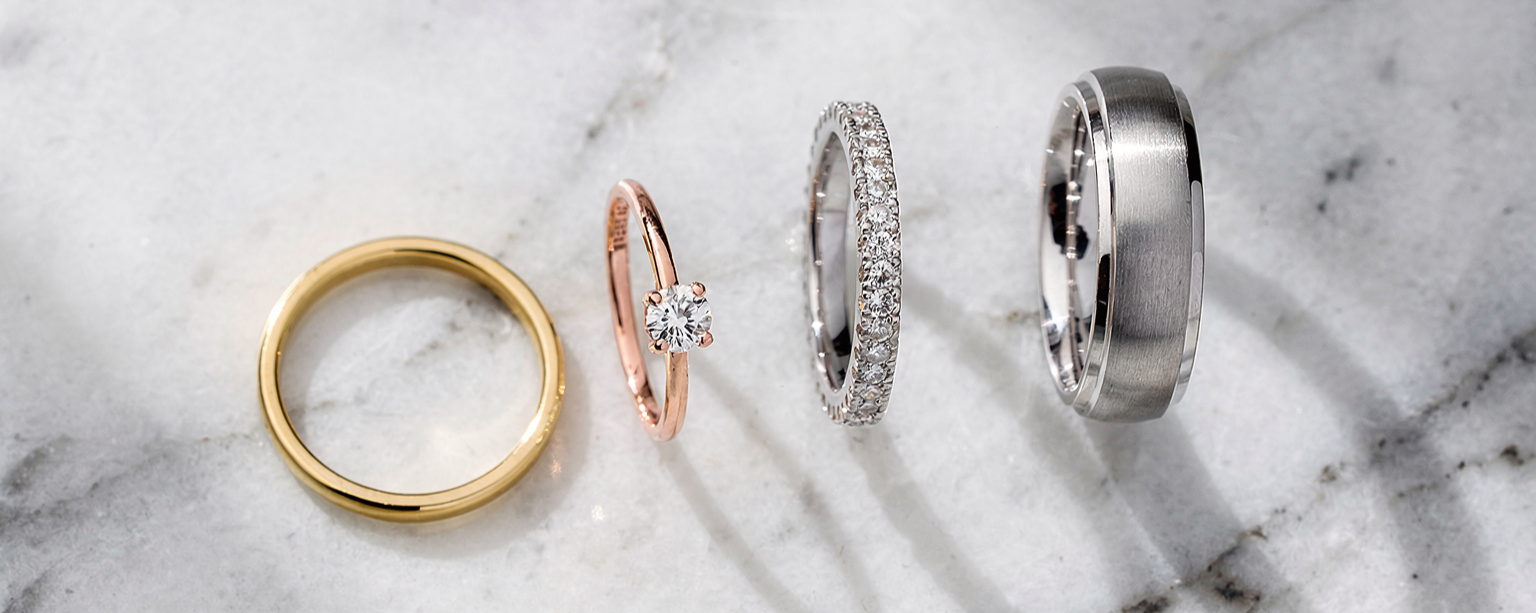
Key Components of a Ring
The Band
The band is the circular part of the ring that encircles the finger. It serves as the foundation and is often made from precious metals, including:
- Gold: Available in yellow, white, and rose varieties, gold is a popular choice for its lustrous appearance and malleability.
- Platinum: Known for its durability and weight, platinum offers a contemporary feel and is hypoallergenic.
- Silver: A more affordable option, silver is softer and requires care to prevent tarnishing.
The band varies in:
- Width: A wider band can provide a bolder presence, while a narrower band tends to look more delicate.
- Thickness: Thicker bands often suggest strength and durability, whereas thinner bands can appear more refined.
- Finish: Options include polished, matte, or hammered, each offering a distinct visual effect.
The Setting
The setting secures the gemstone in place and influences how it is displayed. Understanding different types of settings can help you appreciate their impact on design and light interaction:
-
Prong Setting: This setting uses metal claws to hold the stone, allowing maximum light to enter and enhance its brilliance. Commonly used for larger stones, it creates an airy appearance.
-
Bezel Setting: The stone is encircled by a metal rim, providing a modern, secure fit. This setting enhances the stone's colour and can protect it from chipping.
-
Pavé Setting: Small stones are set closely together, creating a continuous sparkle. This intricate technique often covers the band with diamonds or other gemstones, adding a luxurious touch.
-
Channel Setting: Gemstones are set in a groove within the band, offering a sleek, modern look while protecting the stones.
The Stone
The gemstone is often the focal point of a ring, selected for its beauty and significance. Understanding the characteristics of gemstones aids in making informed choices:
- Cut: The cut refers to how the stone is shaped and faceted. A well-cut stone reflects light beautifully, affecting its brilliance and overall appeal.
- Colour: Gemstones come in a spectrum of colours. For instance, sapphires are available in various hues, including blue, pink, and yellow.
- Clarity: This indicates the presence of inclusions or blemishes. Higher clarity generally enhances a stone's value and beauty.
- Carat weight: This measures the size of the gemstone, with larger stones often commanding higher prices.
Additional Elements
- Shank: This refers to the part of the band that extends below the finger. Variations in shank design can influence comfort and style.
- Gallery: The interior space beneath the stone is called the gallery. It can be designed to allow light to pass through the stone, enhancing its sparkle.
- Head: The head is the part of the setting that holds the gemstone. It can be designed in various shapes and styles depending on the type of setting.
Combining Elements
The harmony between the band, setting, and stone creates a cohesive design. A simple band paired with a striking stone can evoke boldness, while an intricately designed band may elevate a modest stone's elegance. The choice of metal, style of the setting, and type of stone all reflect personal taste and occasion.
Choosing the Right Ring
When selecting a ring, consider the following aspects:
- Lifestyle: Evaluate your daily activities. A low-profile setting is often more practical for an active lifestyle compared to a high-set stone.
- Personal Style: Reflect on your aesthetic preferences. Do you lean towards classic, vintage, or contemporary designs?
- Comfort: Ensure the band fits well. A ring should slide over the knuckle easily but not be too loose or tight.
Gallery of Styles
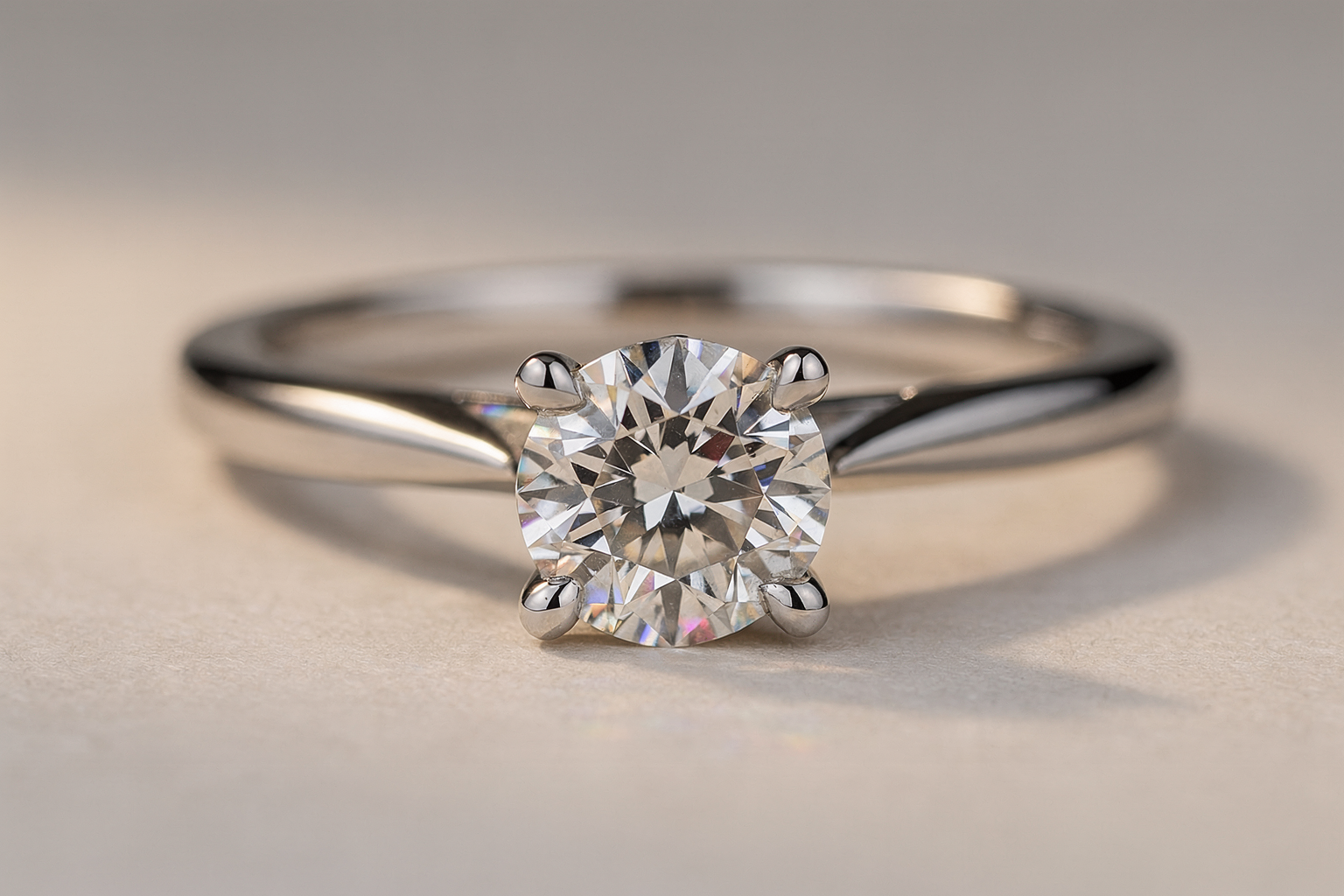
Understanding the anatomy of a ring enriches your experience of selecting and wearing fine jewelry. Whether for yourself or as a gift, knowing the components and their significance enhances your appreciation of each piece.